Families who choose Dubai often come looking for two things that rarely live comfortably together: a setting calm enough to raise children without a daily struggle, and a home polished enough to feel like a long-term reward. Sobha Sanctuary answers that tension with an approach that blends privacy, design discipline, and practical access. The townhouses and villas sit within a master environment that clearly favors walkable streets, layered greenery, and architecture that reads as restrained rather than showy. It feels intentional without being fussy.
What makes this community stand out is not one oversized amenity or a splashy marketing promise. It is the way the parts fit together. The plan thinks about how a family moves through a day, how clarity of layout eases the strain of busy mornings, and how spaces for work, rest, and play can coexist within a single footprint. If you have been circling options from Emirates Road to Al Qudra, Sobha Sanctuary is likely already on your shortlist. The details are what help make a decision.
Where it sits in the city’s fabric
Sobha Sanctuary sits in the Dubailand growth corridor, an area that has matured significantly in the past five to seven years. Much of the early skepticism about distance has faded as road improvements and a broader spread of schools, clinics, and neighborhood retail have arrived. If you work near Business Bay or along Sheikh Zayed Road, you are looking at 25 to 35 minutes in normal traffic. Weekday mornings can push that further, so the realism check is important. On the other hand, many families now commute in the opposite direction toward Dubai South or academic zones near Al Ain Road, where the drive is shorter.
The location gains from its edges. You are not pressed up against a highway, and you are not trapped deep in a maze of dead-end streets. Entry and exit are straightforward, which reduces the small frustrations that compound over time. Groceries, pharmacies, and takeout are close enough for quick trips without a car, and the area’s cycle paths, where present, connect to links that keep children off main roads.
For school runs, you have a handful of well-regarded British and IB curriculum options within a 15 to 25 minute radius. That range matters. It is not next-door convenience, but it is workable without rearranging your life. Clinics and pediatric services are similarly spaced. For weekend time, the desert and wetlands sit in easy reach for a quick change of scenery, and larger malls are a short drive when you need a one-stop errand run.
The architecture ethos: quiet confidence
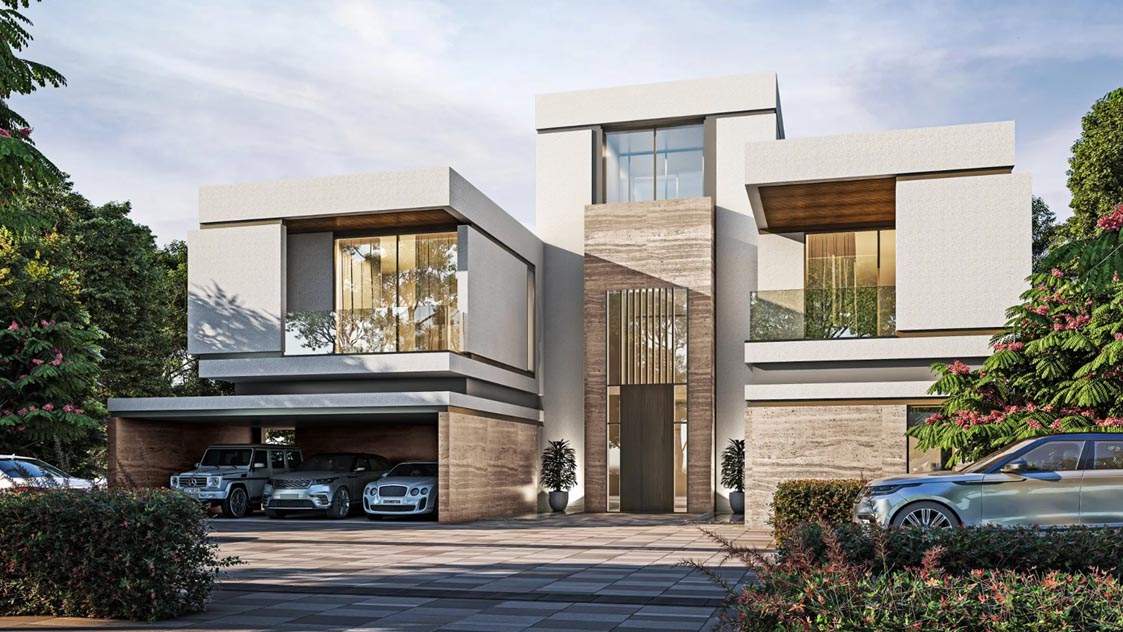
Sobha’s hand shows in the massing and finishes. The Sobha Sanctuary Townhouse and Villas do not chase novelty for its own sake. Facades lean on clean lines, integrated shading, and a material palette that resists glare. You see stone, textured renders, and metal accents used with restraint. The result is a streetscape that ages well. Strong sunlight in Dubai exposes poor choices early; the finish choices here appear selected with daylight and heat in mind, which keeps the look crisp rather than chalky after a few summers.
Inside, proportions are honest. Ceiling heights give volume without wasted duct space. Window placement follows function: tall panes where you want daylight in living areas, more controlled apertures in bedrooms for better sleep and easier blackout. Kitchens tend to be semi-open, letting conversation flow while containing cooking zones. If you are the type who prefers a fully closed kitchen for heavy cooking, several layouts can be adapted during early build stages, or the developer offers configurations with pocket doors that give a practical middle ground.
The townhouses read as sleek and compact, typically in the 3 to 4 bedroom range, suited to families who value manageable upkeep. The villas stretch further, with 4 to 6 bedrooms depending on the release, and often include a ground-floor suite. That suite is a quiet triumph for multi-generational living or for families that host relatives often. It is also invaluable when stairs are a short-term challenge, whether for a grandparent or a post-injury recovery.
Floor plans that respect real life
Floor plans are where family-friendly claims either hold up or fall apart. The Sobha Sanctuary Villas often position the main living area to run the width of the lot, connecting front and rear gardens through sliding glass doors. That cross-ventilation is not just an architectural flourish. On shoulder-season days, you can open up the house and enjoy airflow that reduces reliance on air conditioning.
Storage is not token. Under-stair volumes are well used, linen cupboards exist on bedroom levels, and garage storage recesses give you a place for bicycles, prams, and sports gear. Walk-in closets in the primary bedrooms are properly sized, not one-step-deep corridors that barely hold a season’s clothes. En-suite bathrooms use sensibly placed windows for natural light, which helps with humidity control and general wellbeing.
In the townhouses, the staircase tends to sit centrally, freeing the outer walls for glazing and views. Kitchens slot in toward the front or center, with islands or peninsulas that double as breakfast spots. A small study nook often lives near the living area, giving older children a place to work under partial supervision. Sound travels in open plans, so acoustic treatment matters. Sobha’s habit of using solid core doors and dense partitions between bedrooms helps more than marketing bullet points ever could.
For villas, a second living space on the first floor is common. This is one of the most underappreciated features for family comfort. It means that a movie night can happen downstairs while quiet reading or exam prep takes place above, without a tug of war over a single television. Balconies are generous enough to use, not just to satisfy a regulations line item. A pair of chairs and a bistro table fit comfortably, which is the difference between a view you look at and a space you use.
Indoor quality: light, air, and acoustics
Dubai’s climate pushes developers to build sealed boxes and overcool them. At Sobha Sanctuary, glazing ratios and shading seem calibrated so that daylight reaches deep into rooms without turning interiors into greenhouses. Where louvered elements shade glass, you feel the difference at midday. Air-conditioning zones are generally split by floor and sometimes by room groupings, so you can cool only the occupied spaces. Over a year, that control pays back in lower bills and a lighter environmental footprint.
Acoustics often get sidelined in glossy brochures. Here, you will notice doors that close with a reassuring weight and walls that don’t echo with every footstep. In multi-level homes, footfall noise is a real issue. Carpets on stairs or engineered wood with sound underlay in upper corridors help. Villa layouts often recess children’s bedrooms away from the stair core, a small move that softens noise transfer late at night. If you have teenagers who practice instruments, consider using one of the ground-floor rooms at the rear as a music room. Triple-glazed sliders, where provided, do a good job at tempering both outside noise and the sound of an enthusiastic drummer.
Landscapes and outdoor life
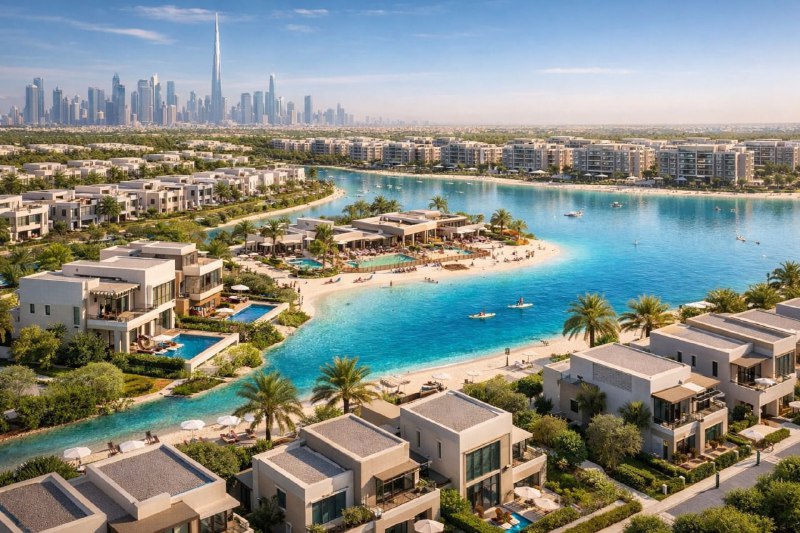
The green strategy does not try to replicate a temperate climate lawn fantasy. Planting leans toward species that do well in heat and saline conditions, with structured hedges and shade trees that mature into a canopy. This matters for livability. A fifteen-minute walk under broken shade is far more pleasant than the same route in full sun, and you can feel that thought in the way pathways meander and rest spots appear at natural pauses.
Private gardens in the villas are sized to let you set up a small pool, an outdoor kitchen, or a play set without making the plot feel cramped. In the townhouses, back gardens are more intimate yet still functional, often deep enough for a plunge pool or a patch of grass alongside tiled seating. Irrigation is efficient and integrated. Spending an hour with the landscaping team early on pays dividends, especially if you want raised planters for herbs or prefer synthetics to real Sobha Sanctuary community features grass for lower maintenance.
Communal parks are where the neighborhood breathes. The routes invite a loop: from a central lawn past shaded play equipment, then toward fitness stations and quiet seating. Children tend to remember how far they are allowed to roam, so clear sight lines are not an abstract urban design concept, they are everyday confidence builders. Jogging paths connect without awkward dead ends, and benches face both activity zones and reflective water features, letting you choose your mood.
Everyday convenience: the unglamorous things that matter
The Sobha Sanctuary Townhouse and Villas score well on the details most buyers overlook on first visits. Waste collection is handled through screened enclosures that don’t ruin the streetscape. Delivery drivers have clear parking pockets, which reduces the late-night horn symphony that plagues denser developments. Visitor parking exists and is signposted, so a children’s birthday party does not turn into a contest of creative car placement.
Security feels present without performative theater. Gatehouses control vehicle entry, license plates get scanned, and foot patrols maintain a visible, calm presence. Cameras are placed primarily at access points and key communal areas, not every corner, which balances safety with a sense of privacy. Residents talk to each other at the dog parks and play areas, a natural form of neighborhood watch that no technology can replace.
Maintenance responsiveness is the best yardstick of how a community is run. In newer Sobha projects, residents often report turnaround times measured in hours, not days, for common-area issues and a practical approach to snagging during the first months of occupation. Private unit maintenance packages are usually tiered. If you are not on a plan, know your service providers and keep a log of filter replacement, chiller cleanouts, and pool checks. Dubai’s environment is unforgiving to neglect.
Amenities with families in mind
The amenity set feels curated. You will find pools scaled for laps and for play, a mix of shallow sections for younger children and deeper lanes for adults. Gyms carry more than the standard token treadmills, with usable squat racks, free weights, and stretching space. Group classes run where there is enough interest; residents tend to self-organize into running clubs and weekend cycling meetups.
Children’s spaces are a clear priority. Playgrounds offer shade structures, non-heat-absorbing surfaces, and equipment that caters to varied ages, not just toddlers. Seating for caregivers sits within earshot but outside the direct play circuits, which avoids conflicts and gives everyone breathing room. For teenages who can feel underserved in family communities, multi-use courts and small-sided football pitches provide outlets beyond screens.
Work-from-home infrastructure is another silent amenity. Internet service options include high-speed fiber, and the spatial planning supports turning a bedroom or a landing nook into a proper office. If you need third spaces outside the house, small cafes and co-work zones nearby give you a change of scenery without a full commute.
Sustainability that shows up on your bills
Sobha Sanctuary’s design approach aligns with Dubai’s broader sustainability goals, but the proof is in operational costs. Insulated envelopes and high-performance glazing translate to fewer kilowatt-hours during peak summer. Solar readiness varies by unit, but roof structures can often support future installations, subject to approvals. Garden irrigation systems tie into moisture sensors, cutting back automatically after rainfall or during cooler months. LED lighting and motion sensors in common areas reduce wasted energy.
Waste segregation points make it possible, and simple, to recycle. Families who commit to small routines see their trash volume drop. The neighborhood communications, whether through a residents’ app or notice boards, nudge participation without turning it into a chore.
The buying calculus: townhouse versus villa
If you are deciding between a townhouse and a villa at Sobha Sanctuary, start with how you live, not only how much space you can afford. Townhouses at Sobha Sanctuary Villas at Dubailand deliver strong value for families in the 3 to 4 person range or for those with a busy travel rhythm who prefer a lock-and-leave friendly home. Upkeep is predictable, and the community plot sizes are designed for daily use without hiring a full-time gardener.
Villas, especially in the 5 to 6 bedroom range, suit larger families, multi-generational households, or those who routinely host. Outdoor entertaining becomes easier with wider plots and deeper setbacks. You also gain staff accommodation that is decently separated from family zones, which keeps privacy intact. Service kitchens, where included or added, are a lifesaver for festive seasons.
Consider parking realistically. A two-car garage fills quickly with a pair of SUVs plus strollers, scooters, or golf bags. If you foresee a third car as children grow older, check the ability to add a carport extension within community guidelines. Also ask about electric vehicle charging provisions. Many buyers retrofit chargers; it is better to budget for it at the outset.
The developer’s imprint and what it means for you
Sobha has built a reputation in Dubai for an obsessive approach to build quality. That shows in aligned tiles, tight joinery, and tolerances that reflect factory-level quality control. When you tour show homes, look past the staging to the skeleton: how doors sit in frames, how cabinet edges meet, and how grout lines run. In Sobha Sanctuary Villas, these micro-details generally hold up under scrutiny. That matters not just for pride of ownership, but for long-term maintenance, because quality at the edges prevents water ingress and premature wear.
In the resale market, communities with demonstrably better build quality hold their value more reliably. Rental demand for well-located, well-managed family homes remains steady even during market softening. If you plan to lease for a period, typical yields for mid to upper-tier villas in this corridor have ranged in recent cycles from roughly 4 to 6 percent, depending on fit-out and plot. Those numbers move with macro conditions, so use them as directional rather than guaranteed.
How daily life actually feels
The day-in, day-out rhythm decides whether a house becomes a home. Mornings at Sobha Sanctuary are busy but manageable. Streets are wide enough to allow two cars to pass even with parked vehicles. Children on scooters move toward school buses using sidewalks that are continuous rather than interrupted. Evening walks feel safe, partly because of lighting that is bright where it should be and dimmer where it can be. You catch the scent of jasmine in some pocket gardens after irrigation cycles, and the soundscape leans toward conversation and occasional basketball thumps, not engine revs.
Weekends invite a slower pace. Families set up in the parks with picnic blankets, and you will see parents trading recipes and nannies sharing tips about playgroups. The pools fill mid-morning and again late afternoon, with a lull during the hottest hours. If you are a lap swimmer, early mornings are your friend; the water is cool and the lanes are clearer. Coffee spots nearby know residents by name by the second month, a small signal that you have settled in.
Trade-offs and edge cases to think through
No community is ideal for everyone. Sobha Sanctuary’s elegance is calibrated. If you want neon-lit nightlife at your doorstep, this is the wrong address. If you are die-hard about walking to a metro station, that is not realistic here. The nearest stations remain a drive away, and during peak events on major roads, patience helps.
Home customization is limited by design guidelines, which is how the place keeps its visual coherence. Those guidelines can feel restrictive if you dream of bold exterior color changes or front-yard art installations. Work with interior customization instead. You can make a home distinctly yours through joinery, lighting, and soft finishes without a fight with the review committee.
Seasonality shapes outdoor life. July and August test everyone’s resolve. Plan for retractable awnings, misting lines in pergolas, and fabric shade sails where permitted. Heat-aware planning turns outdoor areas into usable rooms for nine months, and tolerable ones in the peak period for short stints.
A brief buyer’s checklist for first visits
- Walk the streets at three times: weekday morning, late afternoon, and after dark. Listen for generators, check traffic flow, and watch how children and caregivers use the spaces. Stand in sunlit rooms at midday. Glare and heat buildup are more revealing than morning light. Measure storage honestly. Bring a list of large items, from strollers to golf clubs, and decide where they will live. Ask to see the nearest substation and chiller plant locations relative to your shortlisted plots to avoid low hums or service traffic. Review community modification guidelines so your future plans align with what is allowed.
Financial and practical planning for ownership
Ownership costs include more than the purchase price. Community service charges are competitive for the amenity level, but get the latest figures and how they have trended. Insurance is straightforward, and many families bundle home and car policies for better rates. If you plan to install solar, confirm roof loading and approvals. For pools, check if the community requires specific safety barriers. Dubai regulations may change, and communities often go a step further for child safety.
Plan a snagging inspection with a reputable third party, even with a developer known for quality. A good inspector will test every outlet, check window seals, run water at all fixtures simultaneously to spot pressure drops, and review tile gradients in wet rooms for proper drainage. Addressing a handful of small issues early can prevent headaches later.
How Sobha Sanctuary compares
Compared with other Dubailand communities, Sobha Sanctuary often feels slightly more crafted, especially in façade articulation and public realm detailing. Against inner-city villa clusters, it trades ultra-urban convenience for a calmer environment and larger plots at the same budget. In the townhouse segment, the Sobha Sanctuary Townhouse and Villas present a step up in finish and planning clarity relative to some mass-market developments, which typically shows up in fewer post-handover fixes and more contented residents after the honeymoon period.
If you are stretching between a top-spec townhouse and an entry-tier villa, stand inside both. The villa may tempt with plot size and a grander staircase, but the townhouse might give you a better kitchen, tighter acoustics, and lower running costs. The right choice is the one that aligns with how you live this year and next, not the version of life on a holiday brochure.
The spirit of the place
Sobha Sanctuary Villas are less about spectacle and more about steadiness. They are built for families who count on routines, value quiet, and appreciate design that serves life rather than competing with it. When a house invites you to exhale at the threshold, it becomes easier to focus on what you moved for in the first place: time together, space to grow, and a sense that home supports rather than demands.
Those who have lived in Dubai long enough can recognize when a neighborhood is set to hold its own. Sobha Sanctuary has that feel. The streets make sense, the homes behave well in the climate, and the community structure encourages neighborliness without intrusion. If family-friendly elegance is the brief, this address reads like a careful, confident answer.